
Hyaluronidase (Filler Dissolving) in Worthing
Doctor‑led treatment to safely dissolve unwanted or misplaced hyaluronic acid dermal filler.
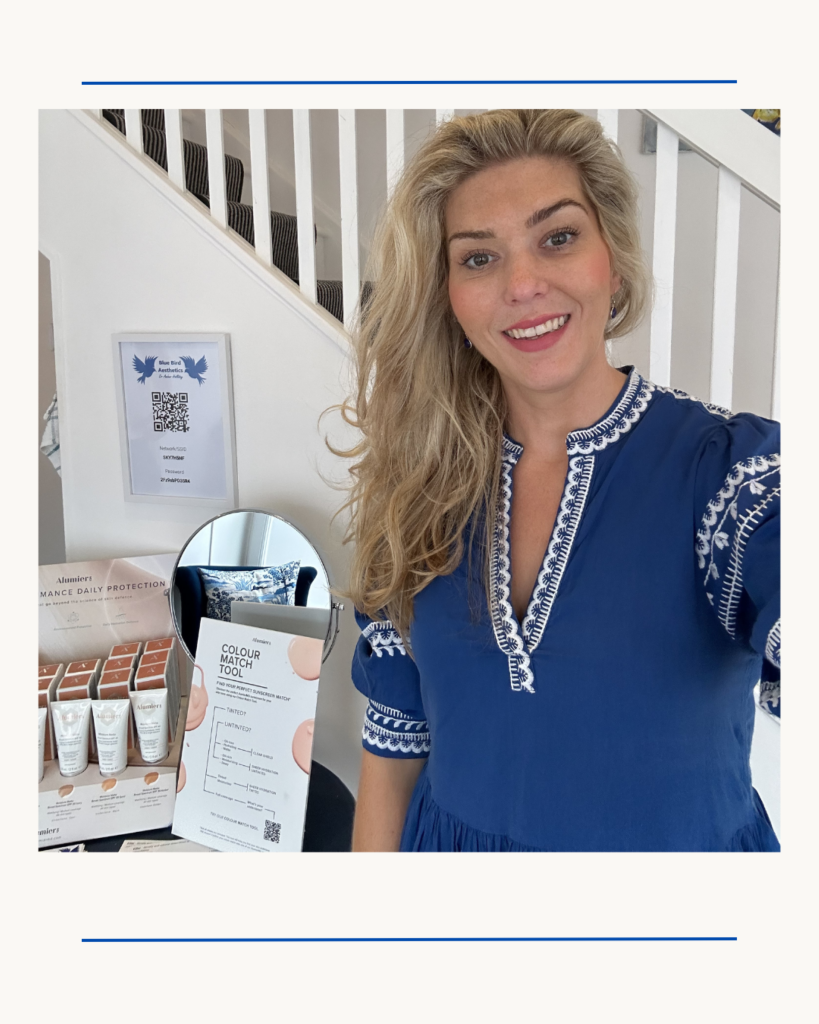
Dr Amber Halliday MRCGP, MBBS, BSc(hons.)
GMC‑Registered Doctor & Aesthetic Practitioner
What is Hyaluronidase?
Hyaluronidase is an enzyme that breaks down hyaluronic acid (HA), the substance used in most modern dermal fillers. It is used when filler needs to be adjusted, corrected, or removed, either for aesthetic reasons or, more rarely, to manage complications.
At Blue Bird Aesthetics, dissolving is carried out only after a full medical consultation, including assessment of your treatment history, current concerns, and overall suitability.
Our approach is calm, careful, and focused on restoring natural balance.
When is dissolving appropriate?
Hyaluronidase may be recommended if:
Dissolving is not intended as a quick aesthetic fix. It is a medical procedure used to carefully correct or reset filler treatments where appropriate.
What to expect
Your appointment typically includes:

You may notice mild stinging, swelling, or warmth shortly after treatment; this is normal and usually settles quickly.
The enzyme begins working quickly, with visible changes often appearing within minutes and continuing over the next 24–48 hours.
Most patients return to normal activities the same day
Many patients choose to dissolve migrated filler prior to lip filler correction.
Testimonials
What our patients say…
Suitability for Hyaluronidase
Hyaluronidase may not be suitable if you:
Hyaluronidase is derived from animal proteins and can rarely cause allergic reactions. In some cases, a small skin test (patch test) may be recommended before treatment, particularly if you have allergies or have not previously received hyaluronidase.
A medical consultation is essential to review your health history, medications, and skin condition to determine whether treatment is appropriate and safe.
Risks and safety
All medical procedures carry some degree of risk. With hyaluronidase, these may include:
- swelling or redness
- temporary tenderness or bruising
- temporary unevenness as filler dissolves
- mild local reactions
- rare allergic reactions
- rarely dissolving can reveal underlying asymmetry
Because hyaluronidase can also break down your body’s natural hyaluronic acid, treatment is performed carefully and conservatively.
As a doctor‑led clinic, Blue Bird Aesthetics keeps hyaluronidase available in line with recognised medical protocols for complication management.
Hyaluronidase is also used in clinical settings to treat rare filler complications such as vascular occlusion, and our procedures reflect these established safety standards.
Hyaluronidase appointments are usually offered on Saturdays, when a second doctor is also present in the clinic for additional clinical support.
Dr Amber Halliday will discuss the benefits and risks with you in detail so you feel fully informed before proceeding.
In a medical emergency call 999.
Evidence‑based practice
Hyaluronidase is widely used in aesthetic medicine to manage hyaluronic acid filler complications and corrections.
Clinical guidance is available from:
These organisations publish widely recognised safety guidance for aesthetic practitioners.
Pricing
Pricing is confirmed after a full medical consultation, as it depends on the treatment area, the amount of filler present, and the complexity of correction.
Frequently Asked Questions:
Blue Bird Aesthetics

Doctor‑led medical aesthetics clinic in Worthing, West Sussex. Focused on natural results, patient safety and clinical excellence.

Company Registration 15279304
Registered Address: 4 Warwick Lane, Worthing BN11 3DP
ICO: ZB922138
Safe, doctor-delivered treatments tailored to you