Skin Peels in Worthing: A Doctor’s Guide to Modern Chemical Peels
By Dr Amber Halliday, GP & Aesthetics Doctor | Blue Bird Aesthetics, Worthing | Updated 2026
TL;DR — Key Takeaways
Not got time to read everything? Here’s what you need to know:
| ✓ Modern skin peels are not the harsh, aggressive treatments of the past — they’re controlled, comfortable and personalised. |
| ✓ They can treat dullness, uneven texture, congestion, pigmentation and fine lines across most skin types. |
| ✓ Visible peeling is not the goal — effective cell turnover often happens invisibly. |
| ✓ Most people feel mild warmth or tingling, not pain, during a peel. |
| ✓ A doctor-led consultation is essential to match the right peel to your skin, lifestyle and goals. |
| ✓ At Blue Bird Aesthetics, all peels are performed in a clinical environment with full medical oversight. |
Peels Aren’t What They Used to Be
If the word “chemical peel” makes you think of dramatic red skin, days of hiding indoors, or that infamous scene from a beauty show — you’re not alone. For many people, that old image still shapes how they feel about peels.
But the world of medical skin peels has changed significantly over the last decade, and most people are surprised to find out what they’re actually like today.
Modern peels are gentler, far more personalised, and designed to work with your skin’s natural biology rather than against it. As a GP and aesthetics doctor practising in Worthing, I use peels regularly as part of a broader skin health approach — and I want to explain exactly how they work, who they’re suitable for, and what you can realistically expect.
| About the Author Dr Amber Halliday is a fully qualified GP with advanced training in medical aesthetics. She practises at Blue Bird Aesthetics in Worthing, West Sussex, and takes a clinical, evidence-led approach to all treatments. Her background in general practice means skin health — not just aesthetics — is always at the centre of her care. Learn more here. |
How Skin Peels Have Evolved
Earlier peels were built around strength. High-percentage acids, aggressive formulations, and a visible recovery period were seen as signs that a peel was “working”. The logic was: the more dramatic the peeling, the better the result.
That approach has largely been replaced.
Today’s medical-grade peels are formulated around the skin barrier — the protective outer layer of the skin that, when compromised, leads to sensitivity, dehydration, reactive skin and accelerated ageing. Modern peels are designed to achieve meaningful cell renewal without disrupting this barrier unnecessarily.
Key shifts in modern peel formulation include:
- Smarter acid blends that target specific skin concerns, not just “all acid, all at once”
- Lower pH formulations that penetrate precisely, reducing the risk of irritation or rebound sensitivity
- The inclusion of barrier-supporting ingredients — peptides, antioxidants, hydrating agents — alongside the active acids
- A move away from phenol and high-concentration TCA peels toward more predictable, skin-safe options
- Greater attention to Fitzpatrick skin type and how different skin tones respond to acid-based treatments
If you’d like to understand more about the skin barrier and why it matters, you may find my Doctor’s Guide to Skin Concerns a useful starting point.
Types of Modern Chemical Peels
There are many different peel formulations available, and the right choice depends entirely on your skin type, concerns and tolerance. Here’s a brief overview of the main categories:
Alpha Hydroxy Acids (AHAs)
AHAs such as glycolic acid and lactic acid work on the skin’s surface layer, targeting dullness, uneven texture and mild pigmentation. They’re water-soluble and particularly effective for dry or sun-damaged skin. Lactic acid is gentler than glycolic and includes mild hydrating properties, making it a popular choice for sensitive or mature skin.
Beta Hydroxy Acids (BHAs)
BHAs — salicylic acid being the most common — are oil-soluble, which means they can penetrate into pores and address congestion, blackheads and acne-prone skin. They are anti-inflammatory, which makes them particularly useful for skin with active blemishes or rosacea-adjacent conditions.
Mandelic Acid
Derived from bitter almonds, mandelic acid has a larger molecular structure than glycolic, meaning it penetrates more slowly and is well tolerated by sensitive or darker skin tones. It has both exfoliating and antimicrobial properties, making it suitable for a wide range of concerns.
Combination & Proprietary Blends
Many modern clinical peels use carefully formulated blends — combining acids with peptides, brightening agents, or antioxidants to achieve more targeted outcomes with greater tolerability. These are often the preferred choice in doctor-led settings because of their precision and predictability.
Peels vs Exfoliating Skincare — What’s the Difference?
This is one of the most common points of confusion — and it’s worth clarifying, because using both incorrectly can actually irritate the skin.
Exfoliating skincare products — scrubs, toning pads, at-home acid serums — work primarily on the very surface of the skin. They’re useful for maintenance and can support a healthy routine, but their depth and concentration are limited by design. That’s appropriate for daily or weekly home use.
A clinical peel works deeper, using higher-concentration formulations applied in a controlled, medically supervised way with specific timing, neutralisation and aftercare protocols. The two are not interchangeable — which is why you should pause strong at-home actives in the days before and after a professional peel.
| A Note on At-Home Peel Kits Over-the-counter peel products are designed to be safe for unsupervised use — which means their active concentrations are significantly lower than what a doctor uses in clinic. They can be a helpful addition to a routine, but they’re not a substitute for professional treatment, and using them alongside clinic peels without guidance can compromise your barrier. |
What Modern Skin Peels Can Help With
Skin peels are no longer reserved for dramatic interventions. In clinic here in Worthing, I use peels to support a wide range of everyday skin concerns, including:
- Dullness and lack of radiance — one of the most common requests. Peels accelerate the natural shedding of dead skin cells, revealing brighter, fresher skin underneath.
- Uneven texture — rough or bumpy skin often responds well to regular exfoliating treatments, particularly AHA-based peels.
- Congestion and blackheads — BHA peels (salicylic acid) are particularly effective here, clearing pores that topical products can’t always reach.
- Hyperpigmentation and uneven skin tone — pigmentation caused by sun exposure, hormonal changes or post-inflammatory marks can be gradually lightened with the right peel protocol.
- Fine lines and superficial ageing — surface-level fine lines respond well to regular AHA peels, which stimulate collagen production over time.
- General skin quality — many patients simply want their skin to look healthier and more alive. A course of well-chosen peels can meaningfully improve overall skin quality.
Peels also work very well alongside other treatments. I often use them as part of a wider skin health plan that may include:
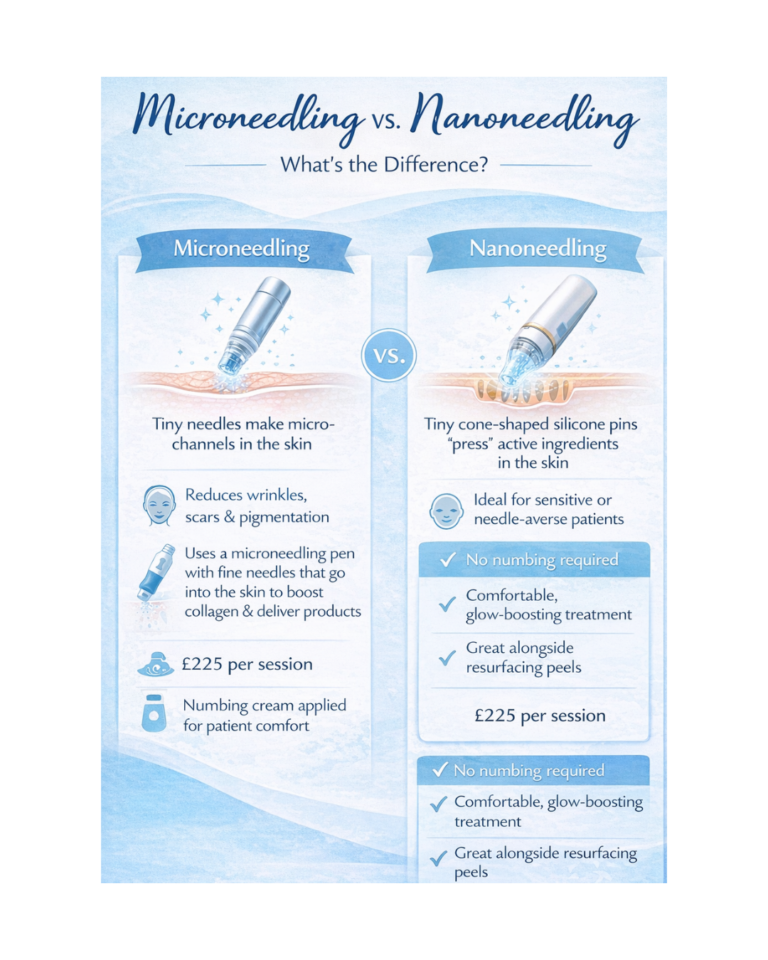
– Microneedling — which works at a deeper level to stimulate collagen remodelling
– Skin boosters — to address deep hydration and skin quality from within
– Polynucleotides — for skin regeneration and increased tissue resilience
How I Choose the Right Peel for Each Patient
There is no universal peel that suits everyone — and that’s genuinely a good thing. A well-chosen, medium-strength peel for the right patient will always outperform a “strong” peel applied without clinical reasoning.
During a consultation, I assess a range of factors before making any recommendation:
- Skin sensitivity and reactivity
- Barrier status — is the skin compromised or robust?
- Fitzpatrick skin type — particularly important for pigmentation risk management
- Current skincare routine and any active ingredients already in use
- Lifestyle factors, including sun exposure, travel and downtime tolerance
- Any medications that may affect skin sensitivity or healing
- Your goals — and realistic expectations for timescales and outcomes
I also look at how your skin typically behaves in the 7–10 days after treatment. This matters more than many people realise — for some patients, a skin prep phase (pre-conditioning the skin with specific actives at home before a peel) significantly improves outcomes and reduces risk.
A peel should never feel like a “quick fix”. It should feel like a considered, well-reasoned step in a wider skin health journey — and that’s the standard I aim for with every patient.
If you’re unsure which approach would suit your skin, a calm, doctor-led consultation is the safest place to start. Book a consultation at Blue Bird Aesthetics →
What to Expect During a Peel Treatment
Before the treatment
Your skin will be cleansed and prepped to ensure the peel solution can penetrate evenly. I’ll apply the solution in a controlled manner, monitoring your skin’s response throughout.
During the treatment
Most people describe a sensation of mild warmth, tingling, or tightness — not pain. The degree of sensation varies depending on the peel type, your skin’s sensitivity, and how your barrier is functioning on the day. It should feel active, not aggressive.
The solution is left on for a carefully timed period, then neutralised and removed. The whole treatment typically takes 30–45 minutes.
After the treatment
Your skin may appear slightly pink and feel slightly tight in the hours immediately after. I’ll provide clear post-treatment guidance, including skincare to use and avoid, sun protection advice, and what to expect in the days that follow.
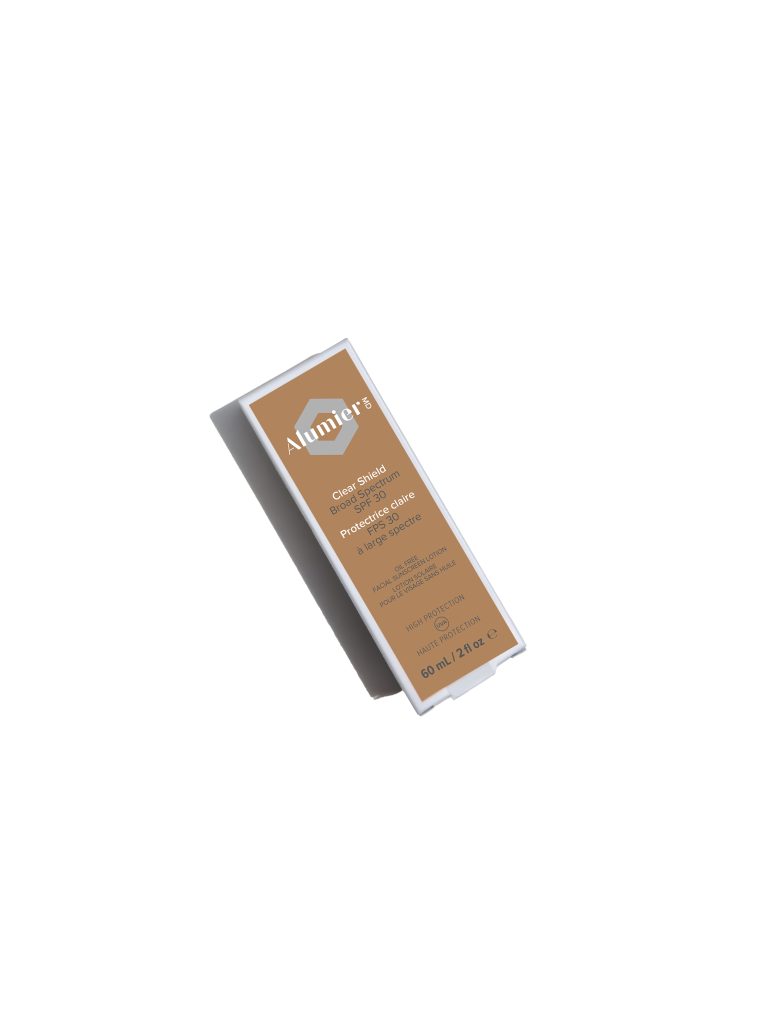
| Post-Peel Skin Care After any peel, SPF 50 is non-negotiable. UV exposure on recently treated skin significantly increases the risk of post-inflammatory pigmentation. I always advise a minimum of two weeks of careful sun protection after a peel, with a broad-spectrum SPF 50 applied every morning regardless of weather. |
Will My Skin Actually Peel?
Maybe slightly. Maybe not at all. And that’s completely fine.
Visible peeling is not the measure of a successful treatment. What matters is that cell turnover has been stimulated — and this can happen entirely invisibly, particularly with well-formulated modern peels.
Some patients experience a mild flakiness around the nose, chin or forehead in the 3–5 days after treatment. Others notice no visible shedding at all. Both outcomes are normal.
This is particularly reassuring for patients with busy schedules or professional commitments — a peel does not have to mean visible downtime.
How Often Can You Have a Peel?
This is one of the questions I hear most often — and it’s a sensible one.
For most patients, a peel every 4–6 weeks is a safe and effective cadence, allowing the skin to complete its natural renewal cycle between sessions. Some patients prefer a more intensive course — monthly for 3–6 months — followed by a maintenance peel every 6–8 weeks once their skin goals are reached.
Others use peels seasonally: a course in autumn to address summer pigmentation, and a brightening peel in late winter to counteract the dull, dehydrated skin that colder months tend to bring.
The right frequency is always personalised. It depends on your skin, your goals, the specific formulation being used, and how your barrier responds to each treatment. I’ll give you a clear, realistic guide at your consultation.
Who Benefits Most from a Modern Peel?
Peels work particularly well for people who want brighter, smoother and more even skin without the recovery time associated with more intensive treatments. They suit patients who prefer gradual, cumulative improvement — building meaningfully over a course of sessions rather than delivering one dramatic result.
They’re also a strong option for people who have tried topical skincare and found it isn’t quite getting them where they want to be. A well-chosen peel can get underneath the surface in a way that even well-formulated at-home products simply can’t replicate.
Finally, peels are an excellent entry point for anyone who is new to clinic treatments. They’re low-risk when properly chosen, the process is straightforward, and the results build in a way that feels natural and gradual rather than sudden or obvious.
Who Is — and Isn’t — Suitable for a Peel
Most of the following skin types can benefit from a modern peel:
- Sensitive skin — with appropriate formulation selection and a possible prep phase
- Mature skin — AHA peels work particularly well for age-related texture and dullness
- Oily or congested skin — BHA peels are highly effective here
- Dull or dehydrated skin — regular peels can meaningfully improve radiance
- Skin with pigmentation or uneven tone — with careful acid selection based on Fitzpatrick type
Peels may not be appropriate in the following circumstances:
- Active eczema, dermatitis, or rosacea flare
- Compromised, broken or sunburnt skin
- Pregnancy or breastfeeding (depending on the acid used)
- Use of certain medications, including isotretinoin or topical retinoids
- Recent use of strong active ingredients such as high-percentage AHAs at home
- Upcoming holidays, significant sun exposure, or events within 2 weeks of treatment
This is precisely why a thorough consultation is essential before any peel treatment.
Why Doctor-Led Peels Matter
Chemical peels are medical treatments. The acid formulations used in a clinical setting are significantly stronger than anything available over the counter — and with greater efficacy comes greater responsibility.
A doctor-led approach means:
- Your skin is assessed as a whole — not just the concern you’ve come in about
- Contraindications are identified and respected
- The peel chosen is matched to your skin biology, not just selected from a menu
- If anything unexpected happens during or after treatment, you are supported by someone with full medical training
- You receive clear, medically-sound aftercare guidance
At Blue Bird Aesthetics, I take the same clinical reasoning I apply to general practice into every aesthetic consultation. If you’d like to understand more about what makes a safe aesthetics environment, I’d recommend reading: How to Choose a Safe Aesthetics Clinic.
Post-Peel Aftercare: What to Do (and Avoid)
The 7–10 days after a peel are a critical window. How you care for your skin in this period has a direct impact on your results and your barrier recovery.
Do:
- Apply SPF 50 every morning, without exception
- Keep your routine simple — gentle cleanser, barrier moisturiser, SPF
- Stay hydrated and avoid excessive heat (saunas, hot yoga, very hot showers)
- Allow any shedding to happen naturally — don’t pick or force it
- Contact the clinic if anything feels unexpected or uncomfortable
Avoid:
- Strong actives: retinoids, vitamin C, AHAs or BHAs for at least 1–2 weeks
- Waxing or threading on the treated area
- Prolonged direct sun exposure
- Abrasive scrubs or physical exfoliants
- Swimming pools or seawater immediately after treatment
If you’re building a home skincare routine to support your treatment results, you may find my Ultimate Guide to Aesthetics useful — it covers barrier support, actives, SPF and more.
Frequently Asked Questions
| How many peels will I need to see results? This depends on the concern being treated. For general skin quality improvement, a course of 3–6 peels at 3–4 week intervals is typical. Pigmentation may require a longer protocol, and some patients use single peels seasonally to maintain their skin. I’ll give you a realistic guide at consultation. |
| Can I have a peel if I have darker skin? Yes — but acid selection and concentration are critically important. Certain acids (such as glycolic at high concentrations) carry a higher risk of post-inflammatory hyperpigmentation in darker skin tones. I always take Fitzpatrick skin type into account when selecting a peel, and mandelic or lactic acid-based peels are often a safer first choice for medium to deeper skin tones. |
| How long do results last? Results from a single peel tend to last 4–6 weeks, as new skin cells turn over in that cycle. Sustained improvement comes from a course of treatments combined with a supportive home skincare routine. Many patients find that maintenance peels every 6–8 weeks keep their skin looking consistently better year-round. |
| Can I wear makeup after a peel? I advise avoiding makeup for 24–48 hours after a peel to allow the skin to settle. After that, mineral-based makeup is the gentlest option while your skin is still recovering. Full makeup use can usually resume after 48–72 hours, depending on how your skin responds. |
| Are peels suitable during winter? Winter is actually a very good time for a course of peels. Lower UV exposure means reduced risk during the recovery period, and many patients find their skin looks duller in winter — exactly the kind of concern peels address well. Just maintain SPF application regardless of the season. |
| What’s the difference between a clinical peel and an at-home peel? Clinical peels use significantly higher concentrations of acid than anything available over the counter, and they’re applied under medical supervision with specific timing and neutralisation protocols. At-home peels can support your routine but should not be used as a substitute for clinical treatment — and should always be paused before and after a professional peel. |
| Who performs the peel? All peels at Blue Bird Aesthetics are performed personally by me, Dr Amber Halliday |
The Takeaway
Skin peels have come a long way. They’re now controlled, comfortable, and genuinely personalised — not the aggressive, all-or-nothing treatments many people still picture.
Whether you’re dealing with dullness, congestion, uneven tone, or simply want your skin to feel more like itself again, a well-chosen peel within a doctor-led skin health plan can make a meaningful difference.
If you’ve avoided peels because of past experiences or what you’ve heard, it may be worth revisiting them with a clinical perspective. The conversation starts at consultation — and that’s always commitment-free. A consultation is simply a conversation — there is never any pressure to book treatment
| Ready to find out if a peel is right for you? A consultation at Blue Bird Aesthetics is calm, considered, and commitment-free. It’s simply a chance to understand your skin, your goals, and whether a peel — or any other treatment — could support your wider skin health journey. → Learn More about Blue Bird Aesthetics |
Further Reading & Useful Links
Useful pages on this site:
– Doctor’s Guide to Skin Concerns
– Ultimate Guide to Aesthetics
– Microneedling at Blue Bird Aesthetics
– Anti-Wrinkle Injections in Worthing
– How to Choose a Safe Aesthetics Clinic
Doctor‑led medical aesthetics clinic in Worthing, West Sussex. Focused on enhancing natural beauty, improving overall skin quality and adhering to clinically safe treatment pathways.
Unsure where to start? Try our doctor-designed Treatment Finder Quiz