Ageing, Redness or Breakouts? A Doctor’s Guide to Matching Skincare to Your Skin
Why the right products depend on your skin — not the label on the box — and how a doctor-led consultation takes the guesswork out.
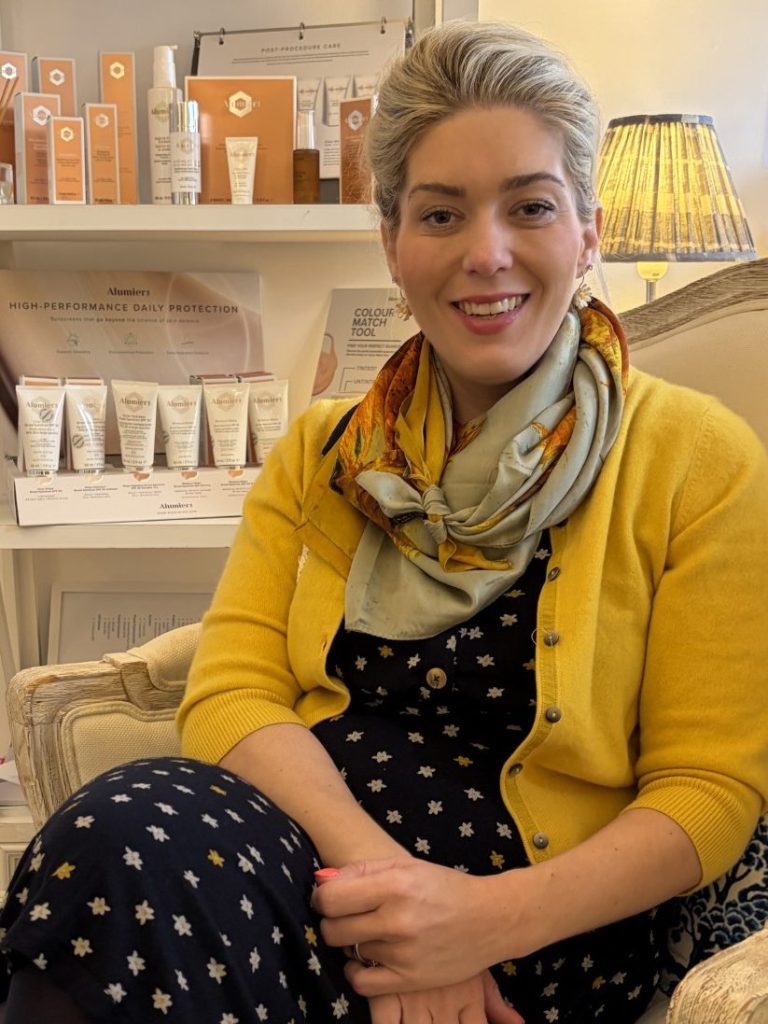
By Dr Amber Halliday, MRCGP MBBS BSc (Hons), GP & Aesthetics Doctor · Blue Bird Aesthetics, Worthing · Updated 2026
TL;DR — Key Takeaways
- ✓ Professional skincare works best when it is matched to your actual concern — not chosen off a shelf.
✓ The three concerns most people fall into — ageing, chronic redness and breakouts — often need very different active ingredients.
✓ The wrong actives can irritate, sensitise or flare skin that is already reactive — so more is rarely better.
✓ A short consultation is the safest way to get the match right, and it is what we do before recommending anything
✓ Medical-grade skincare is the foundation; in-clinic treatments build on top of it.
Choosing a doctor-led clinic is not about prestige — it is about safety, accountability, and clinical expertise
“Good skincare” isn’t one thing
One of the most common things I hear in clinic is, “I’m using good products, but my skin still isn’t happy.” Almost always, the products are perfectly good — they’re just not the right ones for that person. Skincare isn’t graded simply as good or bad. It’s a set of tools, and the tool that transforms one person’s skin can quietly aggravate another’s.
That matters more than the marketing suggests. A serum designed to resurface and brighten ageing skin can be exactly the wrong thing for skin that flushes and stings. An oil-control routine built for breakouts can leave drier, mature skin feeling tight and looking dull. The label tells you what a product does; it can’t tell you whether your skin needs it.
The three concerns most people fall into
Most of the people I see recognise themselves in one of three broad pictures. They overlap, and plenty of us sit in more than one — but they’re a useful starting point for understanding why matching matters.
Ageing skin
Here the story is largely about collagen and cell turnover slowing down, alongside accumulated sun exposure. Skin can look a little flatter, drier and less even, with fine lines becoming more visible. Routines for this concern often lean on well-tolerated actives that support renewal and hydration, introduced gradually so the skin barrier keeps up. The aim is steady, lasting improvement in skin quality — not a quick, aggressive overhaul.
Chronic redness
Persistent flushing, sensitivity and visible vessels behave very differently. This is reactive skin, and the priority is calm: supporting the barrier, reducing triggers, and being cautious with anything that strips or over-stimulates. It’s also the group most likely to be made worse by a generic “brightening” or strongly exfoliating routine. If your skin runs hot and reactive, gentler and more considered almost always wins.
Breakout-prone skin
Congestion and blemishes are usually a mix of oil, skin-cell turnover and inflammation. Routines here tend to focus on keeping pores clear and calming inflammation without drying the skin into overdrive — because over-stripping often makes oiliness and irritation worse, not better. It’s a balance, and it’s rarely the same balance from one person to the next.
You can already see the problem with a one-size-fits-all approach: the routine that suits one of these pictures may be the very thing that unsettles another.
Why grabbing a kit off the shelf can backfire
I’ll be honest, because that’s how I’d rather you heard it: most of the “my skin got worse” stories I see don’t come from doing too little. They come from doing too much, or doing the wrong thing with conviction. Layering several strong actives at once. Exfoliating daily because if a little is good, more must be better. Using a potent resurfacing routine on skin that was quietly crying out for barrier repair.
Professional skincare is genuinely effective — that’s exactly why it deserves a little thought before you start. The same potency that delivers results is the potency that can tip reactive skin into a flare. Matching the routine to your skin, and introducing it sensibly, is what turns good products into good outcomes.
The best skincare routine is the one built for the skin you actually have — not the one on the box.
Dr Amber Halliday, GP & Aesthetics Doctor
What actually changes the outcome
Three things, in my experience, make far more difference than any single “miracle” product:
- The right match. Choosing actives that suit your concern and your skin’s tolerance, rather than the most-hyped product of the moment.
- The right order and pace. Introducing actives gradually, and respecting the barrier, so your skin builds tolerance instead of rebelling.
- Consistency. Healthy skin is built slowly. A well-matched routine used steadily beats an ambitious one abandoned after a fortnight of irritation.
Medical-grade skincare is the foundation we build everything else on. If you’d like to go deeper, my Doctor’s Guide to Common Skin Concerns and the Complete Guide to Skin Treatments walk through how in-clinic options such as microneedling and skin peels layer on top once the basics are right.
What a skincare consultation looks like at Blue Bird
A consultation is simply a calm, unhurried conversation about your skin. We look at what’s actually going on, talk through your goals and your medical history, and I give you honest, personalised advice — including when the simplest, least involved option is the right one. There’s no pressure to buy anything or book anything, and no hard sell. It’s the same approach I bring to every treatment in the clinic: doctor-led, evidence-based and genuinely in your interest.
If you’re in Worthing or anywhere across West Sussex and you’re not sure what your skin actually needs, that’s exactly what the appointment is for.
We’re currently giving away a £200 professional skincare kit, and the winner is invited for a short complimentary consultation so we can make sure it’s matched to their skin. To enter, head to our latest Instagram post and comment the concern that sounds most like you. (Competition closes 5/7/2026, T&Cs apply)
Frequently Asked Questions
Do I really need professional skincare, or will high-street products do?
High-street products can absolutely play a role. The advantage of professional, medical-grade skincare is higher, better-formulated concentrations of active ingredients — which is precisely why matching them to your skin matters. The right professional routine, chosen for your concern, tends to do more with less.
How do I know which skin concern I fall into?
Many people sit across more than one — for example, ageing skin that’s also reactive. That overlap is one of the main reasons a quick professional assessment is so useful: it sorts out which concern to prioritise first, and in what order.
Can the wrong products actually damage my skin?
They can certainly set you back. Over-exfoliation, too many strong actives at once, or potent products used on reactive skin can disrupt the skin barrier and leave skin red, sensitised or congested. The good news is that this is usually reversible with a calmer, better-matched approach.
Is there any pressure to buy products or book treatments at a consultation?
None. A consultation with Dr Halliday is about honest advice with no pressure to proceed. If a simple routine is all you need, that’s what you’ll be told.
Ready to get the match right?
If you’d like honest, doctor-led advice on the right skincare for your skin — ageing, redness, breakouts or a mix of all three — a consultation is the simplest place to start.
All skincare recommendations and treatments are subject to consultation and individual suitability. Individual results may vary.
| Looking for a safe, doctor-led clinic in Worthing? A consultation at Blue Bird Aesthetics is calm, unhurried, and commitment-free. Ask every question on your list. There is no pressure to proceed, and no expectation to decide on the day. |
Further Reading & Related Guides
Related articles and treatment pages:
– The Ultimate Guide to Aesthetic Treatments in Worthing
Further Reading & Useful Links
Treatments at Blue Bird Aesthetics:
– Dermal Fillers at Blue Bird Aesthetics
– Filler Dissolving (Hyaluronidase)
– Microneedling at Blue Bird Aesthetics
– Resurfacing Skin Peels in Worthing
– NeoGen Plasma Skin Regeneration in Worthing
– Anti-Wrinkle Injections in Worthing
Guides:
– Ultimate Aesthetics Guide — A Safe Doctor-Led Starting Point
– Why Choose a Doctor for Botox and Fillers?
– What Is NeoGen Plasma? A Doctor’s Guide
– NeoGen Plasma — Cost, Results & Recovery
– Anti-Wrinkle Injections in Worthing
– Dermal Fillers at Blue Bird Aesthetics – Blog post
– Doctor’s Guide to Skin Peels
– Skin Myths: 50+ Common Misconceptions Answered by Dr Halliday
– Blue Bird Aesthetics App — Treatment Guide & Clinic Information
Blue Bird Aesthetics App:
This article is for informational purposes. It does not constitute medical advice. Always consult a qualified medical professional before undertaking any aesthetic treatment.
Blue Bird Aesthetics

Doctor‑led medical aesthetics clinic in Worthing, West Sussex. Focused on enhancing natural beauty, improving overall skin quality and adhering to clinically safe treatment pathways.
Unsure where to start? Try our doctor-designed Treatment Finder Quiz