
Rosacea: A Doctor’s Guide to Calming It, Not Inflaming It
Why rosacea is so easily made worse — how to tell it from flushing, and the patient approach that settles it.
By Dr Amber Halliday, MRCGP MBBS BSc (Hons) — GP & Aesthetics Doctor | Blue Bird Aesthetics, Worthing | Updated 2026
Rosacea is one of the most common and most distressing skin conditions I treat — and one of the easiest to make worse with the wrong approach. The redness and sensitivity are visible to everyone, and the treatments marketed at sufferers are often the very things that inflame it. A calmer, more patient approach works far better.
With rosacea, the temptation is to attack the redness. The reality is that you have to calm the skin and rebuild its barrier first — everything else comes after.
— Dr Amber Halliday
Who This Guide Is For
- Anyone with persistent facial redness, flushing or sensitivity.
- People unsure whether they have rosacea or something else.
- Those whose ‘rosacea’ products seem to make it worse.
- Anyone wanting a calm, doctor-led approach to managing it.
TL;DR — Key Takeaways
Short on time? Here’s the summary:
✓ Rosacea and hormonal flushing are told apart through a proper history, not a glance.
✓ An impaired barrier is central to rosacea, which is why the skin is so sensitive.
✓ Many sufferers worsen it by jumping to strong actives before repairing the barrier.
✓ Some products marketed as soothing can still irritate — ingredients matter more than claims.
✓ Getting it wrong has real costs: a flare can last months, and it carries a genuine emotional toll.
✓ The right order is barrier first, gentle care, sun protection, then anything targeted.
1. Is it rosacea, or hormonal flushing?
These can look similar, and telling them apart is not about a single feature — it is about a proper history and consultation. When does it happen, and in what situations? Which parts of the face are affected? Are there spots, is there redness, is there heat? The pattern is what gives the answer, which is exactly why I take the time to ask.
2. Why the barrier is at the heart of it
In rosacea, the skin barrier is impaired, which makes the skin more sensitive and reactive to begin with. That is the key to understanding both why it flares and how to treat it: if the barrier is already struggling, anything harsh you add will set it off.
3. What makes it worse
The most common mistake is reaching for heavy active ingredients too quickly, without doing the groundwork to repair the barrier first. Some products marketed as helpful for redness are, in practice, irritating. With rosacea, much of my job is education — getting the barrier prepped and ready before anything active goes near the skin.
Why getting it wrong matters
Irritate rosacea and the flare can last for months — tight, sore and uncomfortable, with the skin open to infection. And because it is so visible, it takes a real toll on confidence and wellbeing. Knowing what to use, and when, is everything.
4. The approach that calms it
The order matters. First, repair and support the barrier with a gentle routine. Add daily, sensitive-appropriate sun protection. Only then, and carefully, introduce anything targeted. It is slower than people want, but it is the approach that settles rosacea rather than provoking it. My guide to repairing the skin barrier sets out the barrier-repair routine I start with.
Rosacea is visible, and that makes it heavy to carry. Treating it gently is not only kinder to the skin — it is kinder to the person.
— Dr Amber Halliday
5. When to get it looked at
If your redness is persistent, flaring, or not responding to gentle care, it is worth a proper assessment. Rosacea is manageable, and the sooner the right approach starts, the less time you spend in flare. You can read more about related concerns in my guide to common skin concerns.
Frequently Asked Questions
How do you tell rosacea from hormonal flushing?
Through a proper history — when it happens, where on the face, whether there are spots, redness or heat. The pattern gives the answer rather than any single sign.
What makes rosacea worse?
Most often, strong active ingredients used before the barrier is repaired — and some products marketed as soothing that still irritate. Heat, and known personal triggers, also play a part.
Can rosacea be cured?
It is managed rather than cured. With the right, gentle approach and good barrier care, it can be kept calm and much less visible.
Why does my rosacea flare after using new products?
Because the barrier is already impaired, harsh or active products tip it into a flare. The fix is to repair the barrier first and introduce anything new slowly.
How long does a rosacea flare last?
If the skin is irritated, a flare can last months. Calming it gently and avoiding triggers shortens and softens flares.
Are ‘redness’ products safe for rosacea?
Not always. Some marketed for redness still irritate sensitive skin. Ingredients and your own tolerance matter more than the marketing.
What should I do first for rosacea?
Repair and support the barrier with a gentle routine and daily sun protection, before any targeted treatment.
Does rosacea affect mental health?
It can. Visible, persistent redness is wearing and affects confidence, which is part of why a calm, effective approach matters so much.
The Takeaway
Rosacea responds to patience, not force. Identify it properly, repair the barrier, protect from the sun and triggers, and only then add anything targeted — in that order. It is the difference between settling the skin and setting it off.
If your redness has been written off or treated too aggressively, there is usually a calmer, more effective path.
If rosacea is wearing you down, a consultation is a gentle place to start putting it right.
Ready to talk it through?
Book a calm, considered, commitment-free consultation in Worthing.
We’ll work out what is driving your redness and build a calm, barrier-first plan — with no pressure to proceed.
Further Reading & Related Treatments
- Your Skin Barrier: Signs It’s Damaged and How to Repair It
- Is Medical-Grade Skincare Worth It?
- The Doctor’s Guide to Common Skin Concerns
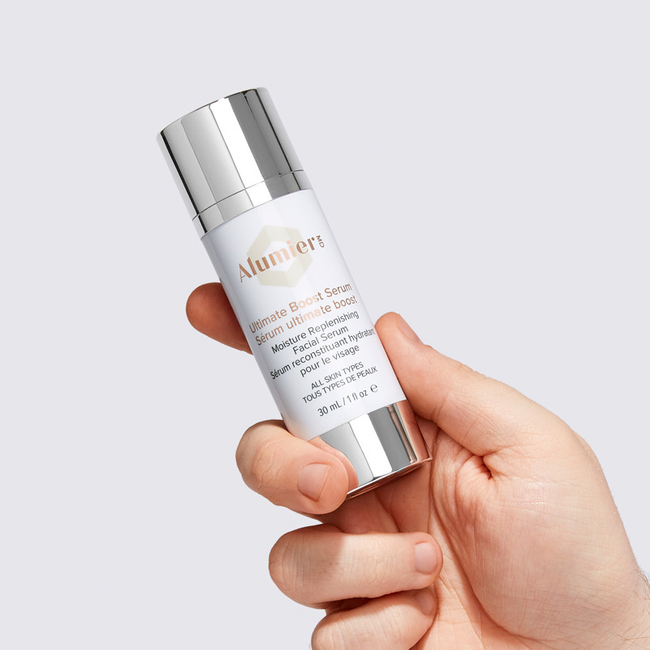
- AlumierMD for sensitive, barrier-supporting skincare *
* Affiliate link. We may earn a small commission if you buy through it, at no extra cost to you. We only recommend products we use and prescribe in clinic.





2 Comments
Comments are closed.