Blood Thinners, Supplements and Other Medicines Before Aesthetic Treatment
One of the most useful things you can bring to a consultation is a list of everything you take, including supplements and creams. A few medicines, such as blood thinners, change how I plan treatment, and a few mean waiting. Very few mean you cannot have treatment at all. This is what I look for, and why.
By Dr Amber Halliday, MRCGP MBBS BSc (Hons) | GP and aesthetic doctor | Blue Bird Aesthetics, Worthing | Last reviewed October 2026
Key points
- Never stop a prescribed blood thinner for an aesthetic treatment. Many treatments are still possible, with a higher chance of bruising.
- Some painkillers and supplements, such as ibuprofen, fish oil and vitamin E, increase bruising. If you take them by choice, pausing them for a few days beforehand can help.
- Isotretinoin, some antibiotics and other medicines that make the skin sensitive to light matter most for resurfacing treatments.
- A few medicines and conditions matter specifically for anti-wrinkle injections.
- Cold sores, vaccines, dental work and pregnancy all affect timing. Tell me about all of them at your consultation.
Please do not stop a prescribed medicine to have an aesthetic treatment unless the doctor or pharmacist who looks after it agrees. If a medicine makes a treatment unsuitable, the answer is to change the treatment, not the medicine.
Why your medicines matter
Medicines can change how easily you bruise, how your skin heals, how it reacts to light and, occasionally, how a treatment works. They also tell me about your health, which helps me choose the safest treatment for you. That is why I ask about everything, including supplements, herbal remedies and creams, not only prescriptions.
Blood thinners
The question I am asked most is about blood thinners and fillers. Blood thinners include anticoagulants, such as warfarin, apixaban, rivaroxaban, edoxaban and dabigatran, and antiplatelet medicines, such as clopidogrel, ticagrelor and prescribed aspirin. They are prescribed for important reasons, such as preventing strokes and clots.
Never stop a prescribed blood thinner for an aesthetic treatment. The risk of a stroke or a clot is far more serious than a bruise.
Many treatments are still possible. You are more likely to bruise, and bruises may take longer to fade, so I plan around that. I may adjust my technique, suggest a different treatment, or advise leaving extra time before an event. If you take warfarin, tell me how stable your INR has been. Some treatments may not be suitable, and if so I will explain why.
Painkillers, supplements and alcohol
Some medicines and supplements you can buy without a prescription also make bruising more likely:
- Anti-inflammatory painkillers, such as ibuprofen and naproxen, and aspirin taken for pain
- Fish oil (omega-3)
- High-dose vitamin E
- Ginkgo, garlic, ginseng and turmeric supplements
- St John’s wort, which also makes the skin more sensitive to light
If you take these by choice rather than on medical advice, pausing them for a few days before injectable treatment can reduce bruising. I will tell you how long at your consultation, because it depends on what you take and the treatment you are having. If a doctor has advised you to take any of them, keep taking them and let me know. If you need pain relief before or after treatment, paracetamol does not increase bruising, as long as it is suitable for you.
Alcohol also increases bruising, so I suggest avoiding it for 24 hours before injectable treatment.
Acne and skin medicines
Isotretinoin
Isotretinoin, the tablet prescribed for severe acne, affects how the skin heals. For resurfacing treatments, such as microneedling, peels and NeoGen, I usually wait at least six months after a course has finished. Please tell me if you are taking it now or have taken it in the past year, whatever treatment you are considering.
Retinoid creams and active skincare
Prescription retinoids, such as tretinoin and adapalene, and over-the-counter retinol make the skin more reactive. They usually need pausing before resurfacing, and I will tell you when at your consultation. My guide to skincare around your treatment covers what to pause and when to restart.
Steroid creams
Using a steroid cream on your face for a long time can thin the skin and make it more fragile. Tell me if you use one, even occasionally.
Medicines that make your skin sensitive to light
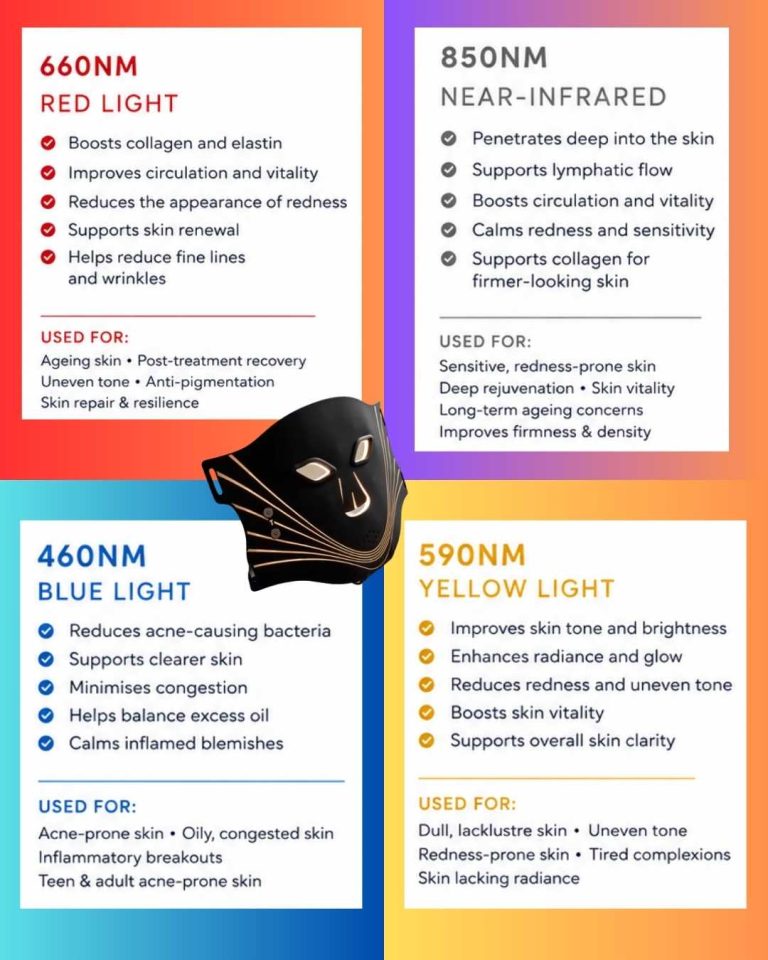
Some medicines make the skin burn and pigment more easily. They include some antibiotics often used for acne and rosacea, such as doxycycline and lymecycline, some water tablets and heart medicines, and St John’s wort. This matters most for resurfacing and light-based treatments, such as peels, NeoGen and LED, where the skin is already more vulnerable to the sun.
If you are on a short course, I will usually plan resurfacing for after it has finished. If you take a light-sensitising medicine long term, we will talk about which treatments are suitable.
Medicines and conditions that affect healing
Medicines that dampen the immune system, such as methotrexate, biologic treatments and long-term steroid tablets, can slow healing and increase the risk of infection. They do not always rule treatment out, but I may suggest a gentler option or ask for your specialist’s view.
Diabetes that is well controlled is not usually a barrier. If your blood sugar is running high, healing is slower and infection is more likely, particularly after resurfacing, so it is better to wait until it is more settled.
If you take a weight-loss medicine, tell me about that too. It does not usually stop treatment, but your face changes as you lose weight, so timing matters.
Medicines that matter for anti-wrinkle injections
A few medicines and conditions matter specifically for anti-wrinkle injections:
- Aminoglycoside antibiotics, such as gentamicin, which are usually given in hospital, can strengthen the effect.
- Conditions that affect the nerves and muscles, such as myasthenia gravis, mean anti-wrinkle injections are not suitable.
- Some products contain a small amount of cow’s milk protein, so tell me if you have a milk allergy.
These injections are a prescription-only medicine, so we go through your full medical history at a face-to-face consultation before any treatment. You can read more about this on our consultation and safety page.
Allergies to tell me about
- Local anaesthetic, such as lidocaine. Many fillers contain it, and it is in most numbing creams.
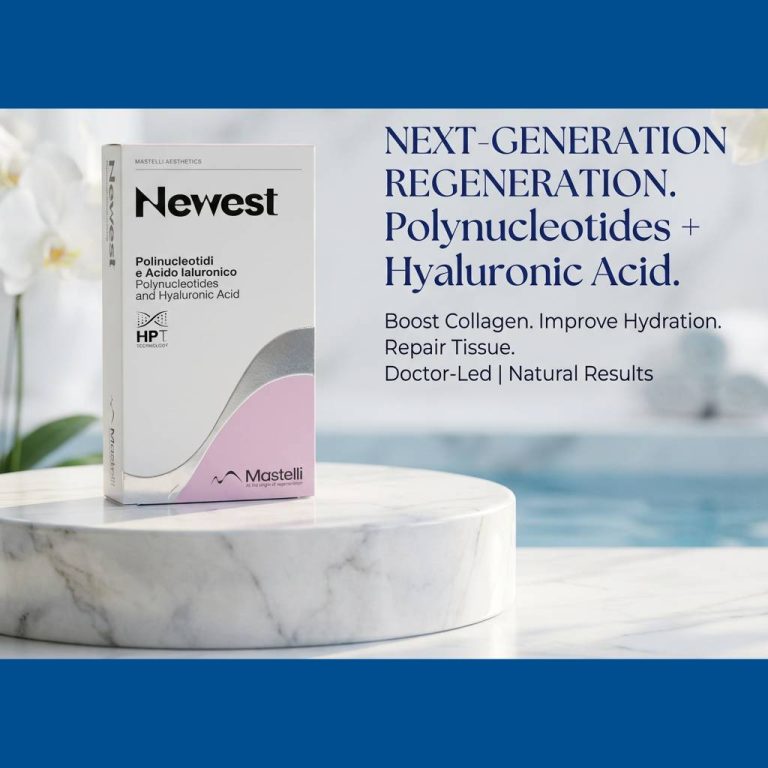
- Fish. Polynucleotides are derived from purified salmon DNA.
- Bee or wasp stings. Hyaluronidase, the enzyme used to dissolve filler, is also found in bee and wasp venom.
- Previous reactions, whether to an aesthetic treatment or a severe allergic reaction to anything else.
Cold sores
If you get cold sores, treatment around the mouth can trigger an outbreak. This applies to filler, skin boosters, peels, microneedling and NeoGen. Antiviral prophylaxis is advisable beforehand and should be discussed at your consultation. If you have an active cold sore, we postpone treatment until it has fully healed.
Vaccines, dental work and illness
Some people with filler have had temporary swelling around it after an illness, a vaccine or dental work, while the immune system is active. During the COVID-19 vaccine programme, guidance from the Aesthetic Complications Expert (ACE) Group advised against filler treatment in the two weeks before or the three weeks after a COVID-19 vaccine. I follow the same precaution around other vaccines, so let me know if you have one booked.
For dental treatment beyond a routine check-up, I suggest leaving around two weeks between it and filler, in either direction. If you are unwell, have a fever or have an infection near the treatment area, we will rebook. My guide to filler complications explains delayed swelling in more detail.
Pregnancy and breastfeeding
Most aesthetic treatments, including injectables and most resurfacing, are not offered during pregnancy or while breastfeeding, because there is not enough evidence about their safety. We can talk about skincare that is suitable in the meantime and plan treatment for later.
At a glance
| Medicine or situation | Why it matters | What usually happens |
|---|---|---|
| Prescribed blood thinners | More bruising | Keep taking them; treatment is planned around them |
| Anti-inflammatory painkillers, fish oil, vitamin E and similar supplements | More bruising | Paused for a few days beforehand, if not medically advised |
| Isotretinoin | Slower, less predictable healing | At least six months after a course before resurfacing |
| Retinoid creams | More reactive skin | Paused before resurfacing; timing advised at consultation |
| Light-sensitising medicines | Burns and pigmentation | Resurfacing and LED planned for after the course |
| Immune-suppressing medicines | Slower healing; infection | Decided case by case, sometimes with your specialist |
| Aminoglycosides; myasthenia gravis | Affect how anti-wrinkle injections work | Anti-wrinkle injections postponed or not suitable |
| Cold sores | Outbreak after treatment around the mouth | Antiviral prophylaxis discussed at consultation |
| Vaccines and dental work | Temporary swelling around filler | Filler planned with a gap either side |
| Pregnancy and breastfeeding | Not enough safety evidence | Treatment postponed |
“If a medicine makes a treatment unsuitable, I change the treatment, not the medicine.”
How to prepare for your consultation
Bring, or have to hand on your phone:
- A list of every medicine you take, with doses. A photo of your repeat prescription is fine.
- Supplements, herbal remedies and anything you buy over the counter
- Prescription creams and the skincare you use
- Any allergies, and any reaction you have had to a treatment before
- Previous aesthetic treatments: what, where and when, particularly filler
- Upcoming events, holidays, vaccines and dental appointments
- Whether you get cold sores
My guide to your first aesthetics consultation explains what else to expect.
Please note: this guide is general information and cannot cover every medicine or situation. It is not a substitute for advice about your own medicines. Do not stop or change a prescribed medicine without speaking to the doctor or pharmacist who looks after it.
Common questions
Can I have filler if I take blood thinners?
Often, yes, with a higher chance of bruising. Never stop a prescribed blood thinner for an aesthetic treatment. I will plan the treatment around it, and if a treatment is not suitable I will explain why.
Should I stop ibuprofen or fish oil before treatment?
If you take them by choice rather than on medical advice, pausing them for a few days before injectable treatment can reduce bruising. Paracetamol is a better choice for pain relief. If a doctor advised you to take them, keep taking them.
How long after isotretinoin can I have microneedling, a peel or NeoGen?
I usually wait at least six months after a course has finished before any resurfacing treatment. Tell me if you have taken isotretinoin in the past year, whatever treatment you are considering.
Can I have treatment while taking antibiotics?
It depends on the antibiotic and why you are taking it. Some make the skin more sensitive to light, so resurfacing usually waits until the course has finished. If you have an infection, treatment waits until it has cleared.
Do I need to stop my retinol before treatment?
Usually only before resurfacing treatments, such as peels, microneedling and NeoGen. The timing depends on the product and the treatment, and I will advise you at your consultation.
I get cold sores. Can I have treatment around my mouth?
Usually, yes. Antiviral prophylaxis is advisable beforehand and should be discussed at your consultation. If you have an active cold sore, we postpone treatment until it has healed.
How long should I leave between a vaccine and filler?
Guidance written during the COVID-19 vaccine programme advised against filler in the two weeks before or the three weeks after a vaccine. I follow the same precaution for other vaccines, so let me know if you have one booked.
Should I avoid alcohol before treatment?
Yes, before injectable treatment. Alcohol increases bruising, so I suggest avoiding it for 24 hours beforehand.
Talk it through with Dr Halliday
If you are not sure whether something you take affects treatment, bring your list to a consultation and we will go through it together. Consultations are free, and there is no pressure to book treatment on the day.
When you book through Glowday, a £75 card authorisation is taken. No payment is taken if you attend; a charge applies only if you miss the appointment or cancel with less than 24 hours’ notice. Full prices are on our treatment menu.
Book a free consultation via Glowday → · Message us on WhatsApp
Further reading
- Skincare Around Your Treatment: What to Pause, What to Use, and When to Restart
- What Happens at Your First Aesthetics Consultation
- Why a Prescriber Matters in Aesthetics, and What Happens in an Emergency
- Filler Complications, Dissolving and Corrective Aesthetics: A Doctor’s Guide
- Hormonal Acne in Your 30s and 40s: A GP’s Approach
- Evidence-Based Aesthetics: A GP’s Approach to Skin Health